Introduction:
Technology in general has influenced many aspects in society today. Digital citizenship is our developing norms of responsible and increased technology use online or on various social networks. This task includes all those aspects such as the 9 elements that make up digital citizenship, characteristics of a digital citizen, how digital citizens can build and enhance social capital, as well as the digital footprints, the fluencies we need to master in order to go beyond being digitally literate to being digital citizens and many more aspects.
Question1:
Q.1.1
(9 Elements)
- 1) Digital Access
- It is an element that focuses on the ability to participate in digital society, including access to technological tools such as the internet, computers as well as other elements that provide internet access and full participation (Digital Citizenship, 2018).
- Digital access, what is known as ‘’The full electronic participation in Society’’. With some benefits there are also issues surrounding access such as digital divide in socio-economic, infrastructure, content, gender, skills and universal access (The IIE, DIGC5110. 2015: p.21-23).
- 2)Digital Literacy
- It is the ability to communicate technologies to use information that requires technical and cognitive skills to create, find, and communicate information (The IIE, DIGC5110. 2019: p.35).
- It is the ability to know how computers, internet, websites and search engines work (The IIE, DIGC5110. 2015: p.34).
- 3)Digital Rights & Responsibilities
- As digital citizens we have the right to privacy, freedom of expression and freedom to use all different types of technology platforms while having the responsibility to use these platforms in a way that does not harm anyone else (DFerris, 2019).
- So, it is our duty to respect others online and abide by the policies (for example; By reporting cyber bullying and harassment, or to cite any work used for research and resource purposes) (DFerris, 2019).
- 4)Digital Commerce
- As known as “electronic selling of goods and services” through digital channels (The IIE, DIGC5110. 2015: p.143).
- It enables customers to purchase goods and services through a self-capable or self-service channel (Gartner IT Glossary, 2019).
- 5)Digital Etiquette
- Is the good principles or basic set of rules relating to behaviour that needs to be adhered to which then ultimately ensures the internet is better for all internet users. It is all the good manner aspects when coming to emails, blogs, and all the other social networking sites (The IIE, DIGC5110. 2015: p.78).
- 6)Digital Health & Wellness
- The definition of this element is psychological and physical wellbeing or impacts in a technological world (The IIE, DIGC5110. 2015: p.131).
- Physical symptoms of overuse of technology and the internet include repetitive strain injury syndrome (tennis elbow, trigger finger), eye strain, obesity, blurred vision, neck and back pain, etc. The psychological symptoms include addiction, cyber bullying, cyber stalking, etc. (The IIE, DIGC5110. 2015: p.131-135).
- 7)Digital Communication
- Digital communication is the electronic exchange of information (The IIE, DIGC5110. 2015: p.56)
- The different types of communication forms are internet and email, VoIP (Voice over Internet Protocol – such as Skype), cell phones, instant messaging, social media, blogs and internet forums, etc. (The IIE, DIGC5110. 2015: p. 55-59).
- 8)Digital Law
- Is the electronic responsibility for the actions or deeds of someone or a business which are either unethical or ethical (copyright access and infringement, privacy and security) according to the policies and legal issues (The IIE, DIGC5110. 2015: p. 96-97).
- 9)Digital Security
- This element enables or ensures the ability to use information systems and digital information without the disruption or interference, data collection or unauthorised access, as it is the electronic precautions to ensure digital safety (The IIE, DIGC5110. 2015: p.113).
Q.1.2
(How a digital citizen can build and enhance social capital)
Social capital is the networks of relationships (networks such as social networks, family networks, former colleague networks, etc.) or shared norms and values whereby people who work and live in particular society, function effectively (What is Social Capital, 2019).
Therefore, it is essential for us digital citizens to make use of the benefits social networks and social platforms has to offer in terms of sharing as well as processing information in the work place or even developing digital citizens socially. That is why it is essential to make use of all these networks and platforms to enhance and build our social capital and create a sense of worth amongst the people that are all connected socially and on the internet.
The communication aspect comes into play when using platforms as platforms can help increase social capital by communicating about certain products, services or even to build a connection.
Which in the end ultimately builds social capital and benefits the citizen whether that be through selling the product, creating a connection or even creating a bond/trust with that certain individual or relationship network, which in the end ultimately creates a sense of trust and enhances social capital between whomever.
Q.1.3
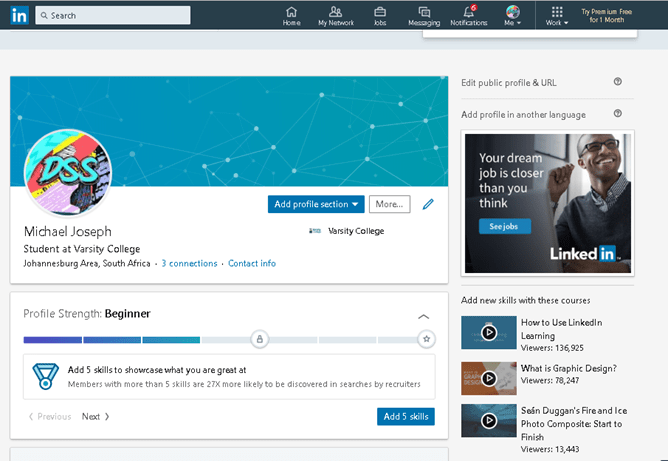
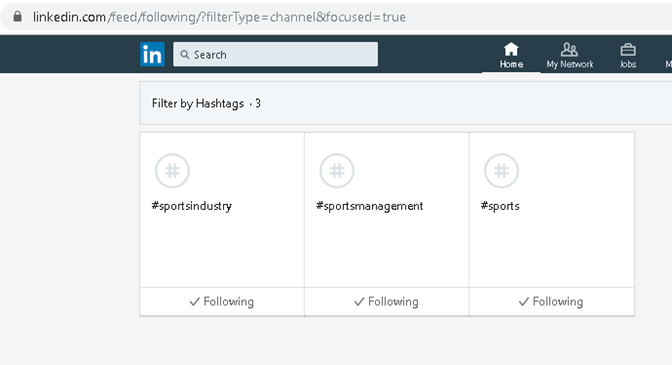
(Linkedin Account Link) – https://www.linkedin.com/in/michael-joseph-b21353193/
 19004927 DIGC